
Quick answer
Yes, Mallorca offers excellent snorkeling conditions across its coastline, particularly along the eastern and northern shores where rocky coves and seagrass meadows support vibrant fish populations. Visibility typically ranges from 15 to 25 meters during calm weather, and water temperatures remain comfortable from June through September. Access is free at all public beaches, with the clearest conditions appearing between 08:00 and 11:00 before afternoon winds disturb the seabed.
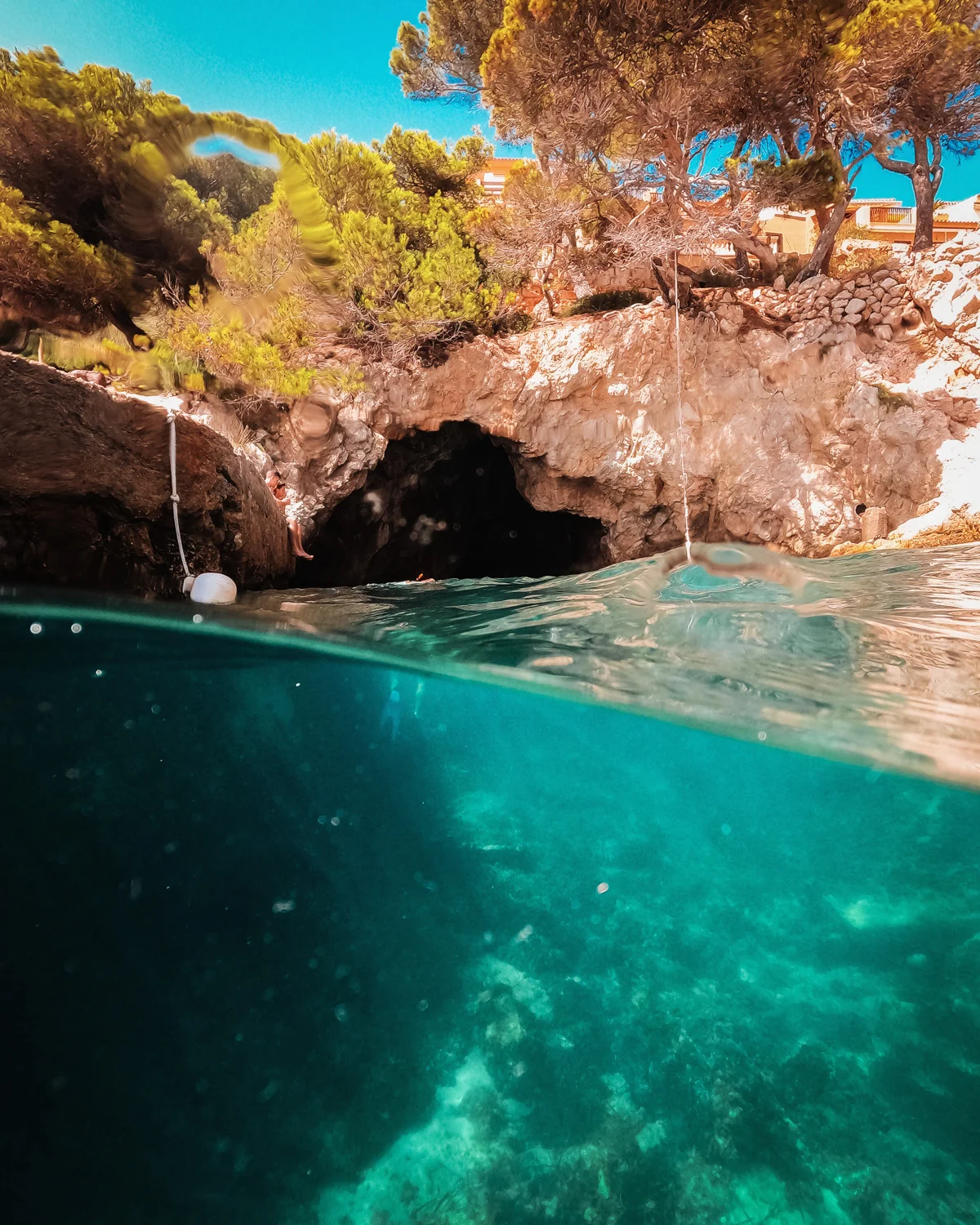
Mallorca's underwater landscape holds more than 200 documented fish species, a figure that places the Balearic archipelago among the Mediterranean's most biodiverse snorkeling destinations. The island's eastern coves—Cala Varques, Cala Mitjana, and Cala Mondragó—offer sheltered entry points where Posidonia oceanica meadows anchor entire food chains, from juvenile damselfish to hunting octopuses. Northern sites near Pollença and Alcúdia face the open sea, delivering stronger currents but also pelagic visitors: barracuda, amberjack, and seasonal tuna that rarely approach the southern tourist beaches. Water clarity depends on two factors: wind direction and seabed composition. The Tramuntana range shields the northeast coast from the dominant summer winds, preserving visibility even when southern beaches turn turbid. Rocky substrates reflect less sediment than sand, which is why snorkeling in Mallorca's limestone coves consistently outperforms the broad bays. September and early October present the year's best conditions—water temperature holds at 24°C, tourist numbers drop by half, and autumn light penetrates to depths of 20 meters. Winter snorkeling remains possible for those with wetsuits, though November through March bring unpredictable swells and reduced marine activity. Gear rental is unnecessary for casual exploration. Most coastal villages stock basic masks and fins in beachfront shops, but experienced snorkelers bring their own equipment to ensure proper fit. The island's marine reserves—such as the protected zone around Cabrera National Park—require advance permits for boat access, though shore-based snorkeling at public beaches carries no restrictions. Lifeguard presence varies: developed resorts maintain seasonal patrols, while remote coves operate unmonitored. Jellyfish appear sporadically from July through August, typically the mauve stinger species, which causes mild irritation rather than serious injury. Rip currents are rare in the sheltered bays that attract snorkelers, but northern exposure sites demand respect for offshore winds that can push swimmers seaward. The Balearic government prohibits removal of any marine life, living or dead, and enforces penalties for anchor damage to Posidonia beds. Responsible snorkeling in Mallorca means observing without touching—the island's ecosystems evolved in nutrient-poor water, making them fragile under physical disturbance. Underwater photography thrives here: groupers and bream tolerate close approach, and the Mediterranean's clarity rewards wide-angle lenses. For those questioning whether Mallorca delivers worthwhile snorkeling, the answer lies not in single headline sites but in the density of accessible locations—a coastline where nearly every undeveloped cove offers transparent water and functioning reef communities within a five-minute swim from shore.
“Mallorca's eastern coves shelter more than 200 fish species within Posidonia meadows that anchor entire underwater food chains.”
When Is There Good Snorkeling in Mallorca?
The period from June to September offers the warmest water temperatures for snorkeling, while May and October provide a balance of mild weather and reduced visitor numbers. For the best conditions, plan your arrival between 08:00–11:00 to benefit from clearer water visibility and fewer crowds before the peak daytime heat.
June–September
High volume of visitorsWarm water (23°C–26°C). Ideal for extended sessions.
May & October
Moderate visitor numbersMild water (19°C–22°C). Pleasant air temperatures.
Weekday mornings
Low crowd density—
The best arrival window is 08:00–11:00. This timing ensures calmer water and avoids mid-day coastal traffic.
Verdict: The best snorkeling conditions are found from May to October, specifically on weekday mornings with an arrival between 08:00–11:00.
Top Locations for Good Snorkeling in Mallorca
Mallorca features diverse marine environments, ranging from rocky coves with seagrass meadows to clear coastal waters populated by Mediterranean fish species. Public access allows for exploration of these habitats across the island's coastline.
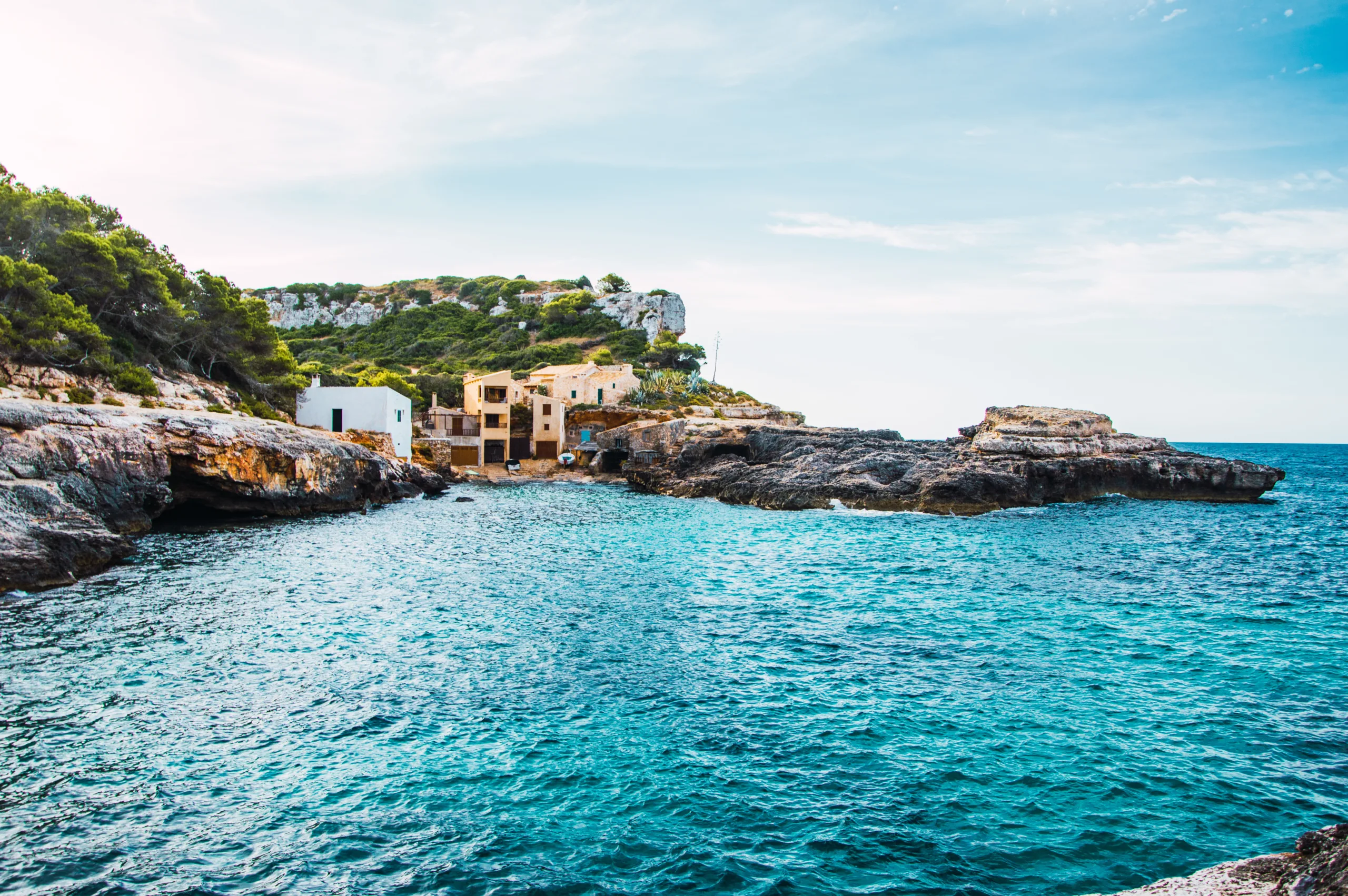
Cala Santanyí
This location offers rocky edges and sandy patches providing shelter for various small fish species. Focus on the cliffs along the left side of the cove.
Swim near the rocky walls for better visibility.
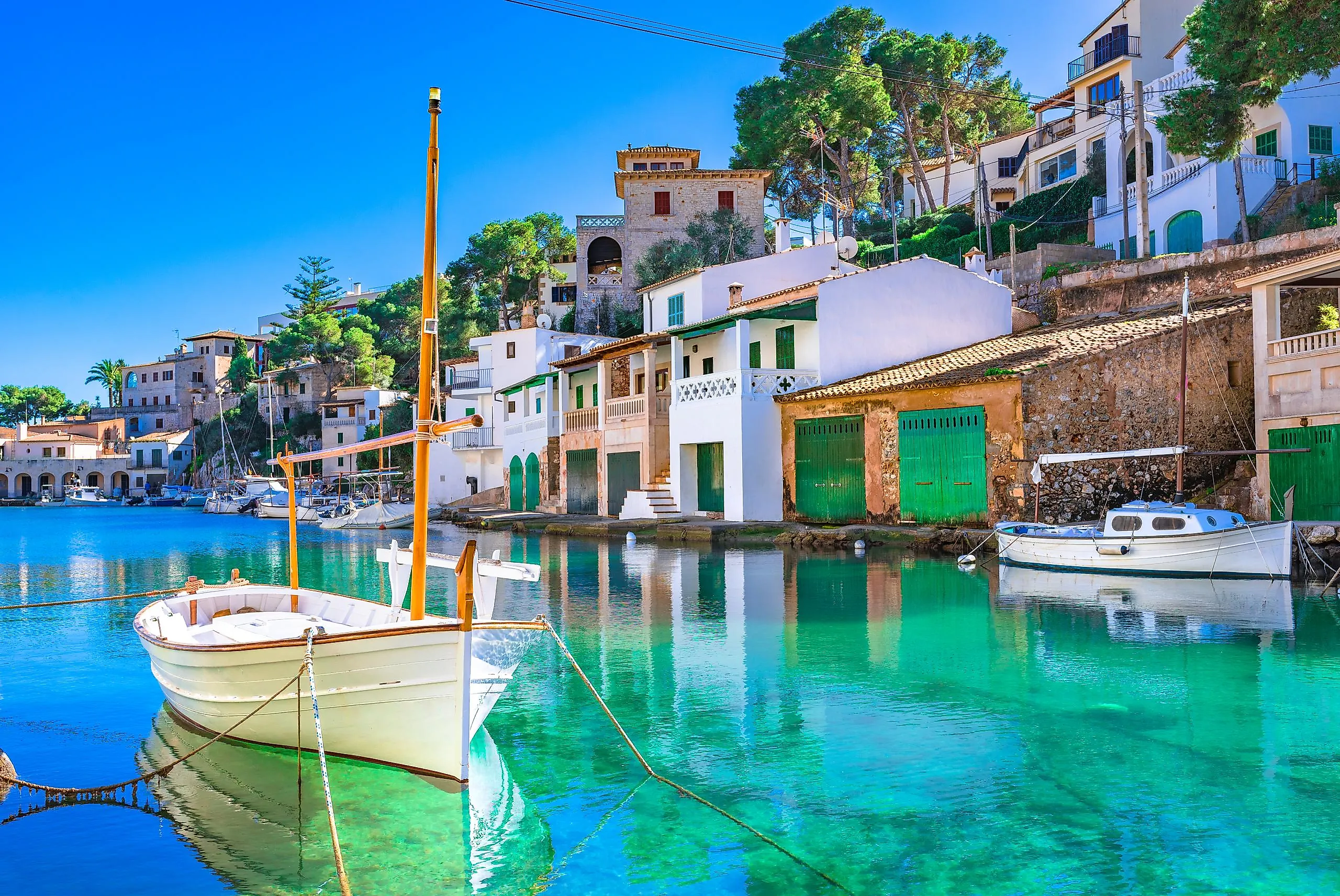
Cala Figuera
Known for its deep, narrow inlet, this site provides calm waters and interesting rock formations. Follow the coastline toward the open sea.
Observe the crevices in the rock for hidden marine life.
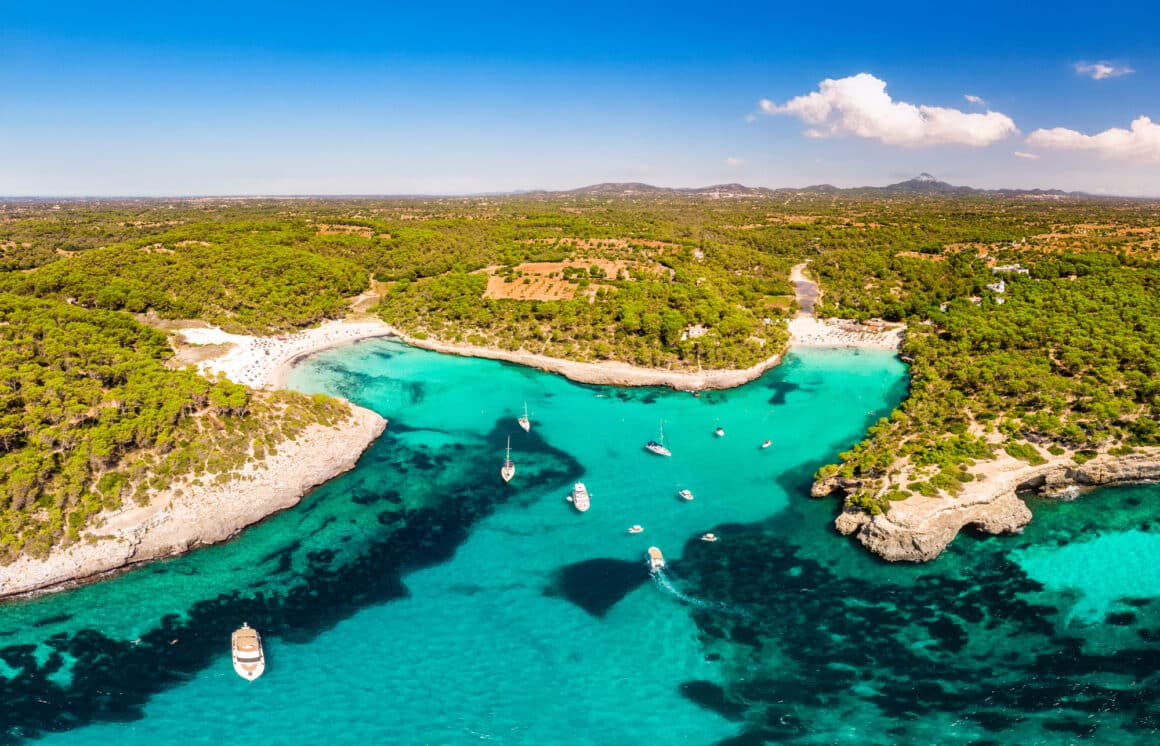
Cala Mondragó
This area contains extensive Posidonia seagrass meadows, which act as a nursery for local marine biodiversity. Explore the boundary between the sand and the rocks.
Scan the grass for juvenile fish and octopus.
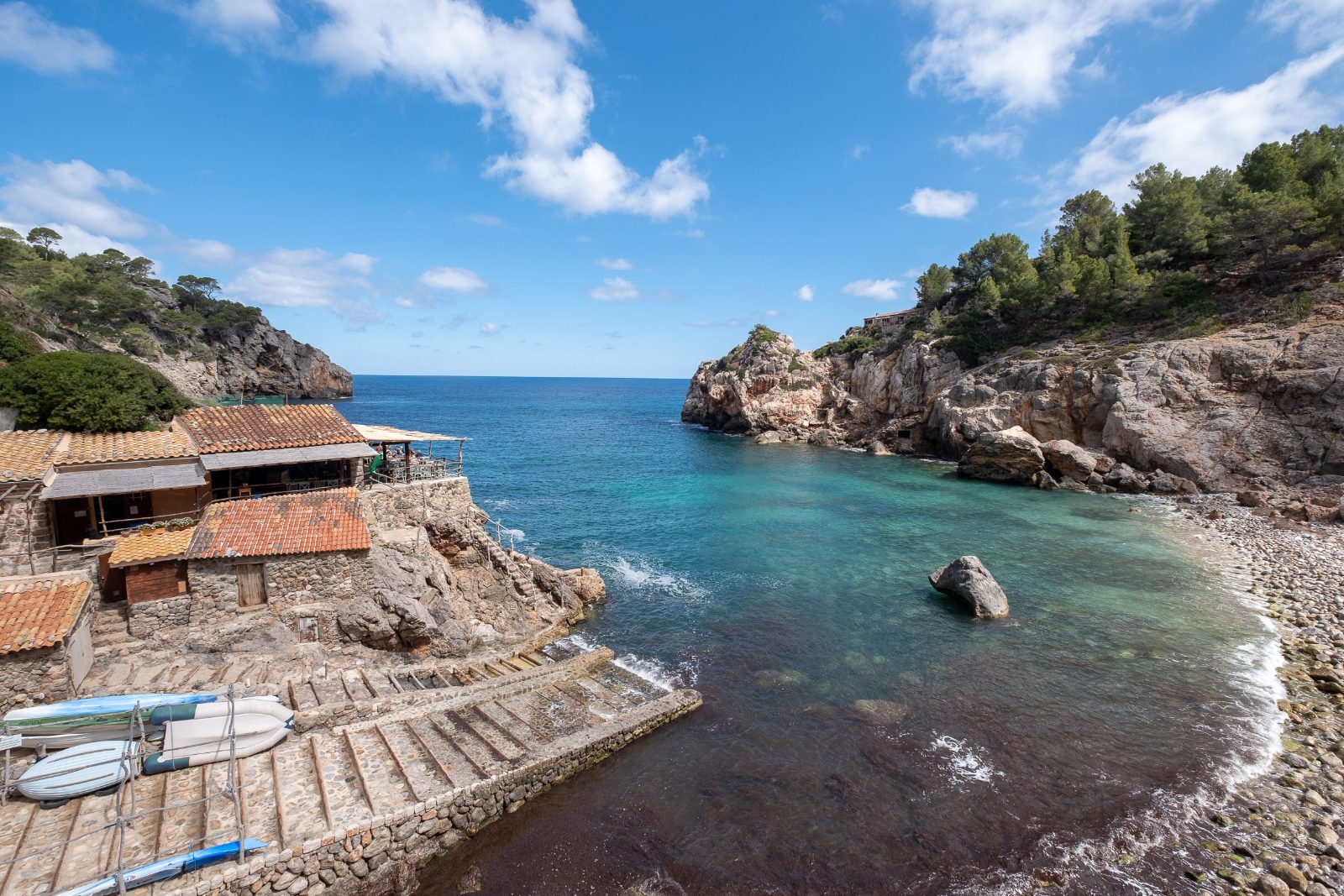
Cala Deià
A small, rocky cove backed by cliffs, providing clear water suitable for observing schools of fish. Stay close to the rock formations where fish congregate.
Enter from the rocks to reach deep water quickly.
Cost of Good Snorkeling in Mallorca
Access to snorkeling in Mallorca is straightforward, as all public beaches and coastal snorkeling areas are accessible without admission fees. You do not need to purchase tickets to enter these natural locations.
Insider Tips for Finding Good Snorkeling in Mallorca
Maximize your underwater experience by focusing on gear selection, marine preservation, and localized safety practices.
Carry biodegradable sunscreen
Standard sunscreens contain chemicals that harm seagrass meadows like Posidonia; opt for mineral-based, reef-safe alternatives to protect the local ecosystem.
Prioritize full-foot fins
Rental gear often features adjustable heel fins that can cause blisters during longer swims; bringing your own full-foot fins improves comfort and energy efficiency.
Identify the Posidonia
Look for the dense, grass-like underwater meadows rather than sandy bottoms, as these protected seagrass beds house the highest density of Mediterranean wrasse and sea bream.
Practice neutral buoyancy
Avoid touching rocks or the seabed to prevent damaging marine life and to maintain clear visibility by keeping sediment undisturbed.
Use a high-visibility surface marker
When snorkeling away from the immediate shoreline, carry a small, bright-colored inflatable buoy to ensure local boat traffic can easily spot your position.
Check wind direction daily
Marine conditions change based on wind; prioritize sheltered coves on the leeward side of the island to avoid choppy surface water and maintain clarity.
Check availability
Frequently asked questions about is there good snorkeling in mallorca
Everything you need to know about is there good snorkeling in mallorca