
Quick answer
Public beaches and coastal areas around Palma de Mallorca are free to access year-round, with the clearest snorkeling conditions between 8:00 and 10:00 in the morning before wind and boat traffic stir the water. Visibility typically ranges from 10 to 20 meters during calm periods, with the best underwater clarity from May through October when water temperature rises above 20°C.
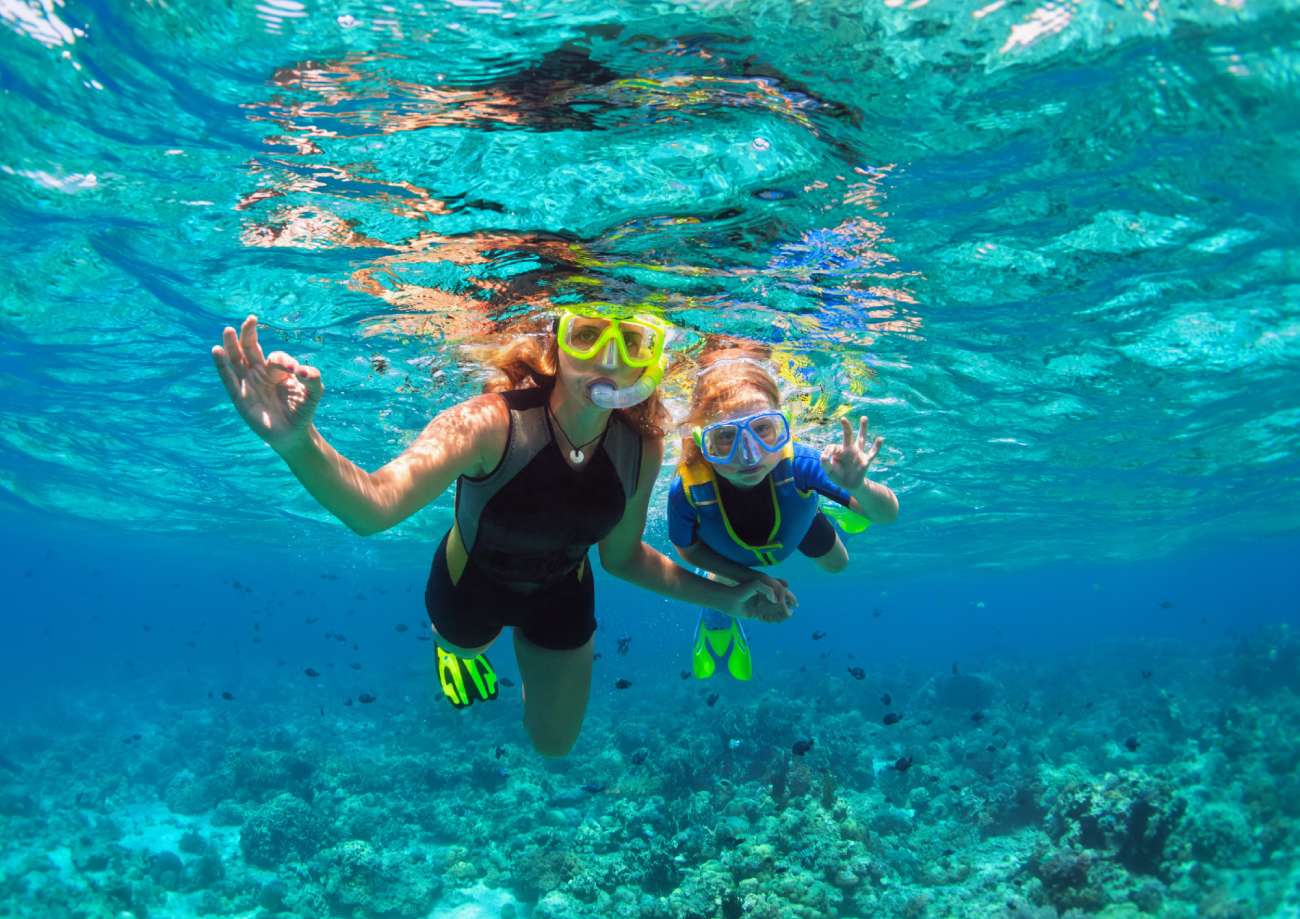
The seagrass meadows off Palma's western beaches hold more biodiversity per square meter than the open sand bottoms most swimmers encounter. Posidonia oceanica—the Mediterranean's keystone marine plant—anchors entire ecosystems of wrasse, bream, octopus and juvenile fish that shelter in the dense blades. Most first-time snorkelers in Palma Mallorca bypass these meadows entirely, following tour groups to deeper drop-offs where the water is blue but comparatively empty. Cala Major and Cala Estància offer the most reliable access for independent snorkelers. Both sit within Palma's municipal boundaries, reachable by city bus, with gradual entries and rocky zones that start three meters from shore. The rock formations create micro-habitats where damselfish and salema gather in schools, and the occasional cuttlefish drifts past during the September breeding window. Water temperature peaks at 26°C in August but remains swimmable through early November for anyone with a thin wetsuit. Water clarity deteriorates rapidly after mid-morning. Easterly winds churn sediment, and the recreational boat traffic that begins around 11:00 reduces visibility by half within an hour. Arriving at first light—when the sea surface mirrors the sky and the coastal posidonia beds glow green beneath—is the single variable that separates a frustrating paddle from a clear view of the seafloor. Most visitors misjudge this timing, arriving after breakfast when the conditions have already turned. Equipment matters less than location choice. A standard silicone mask, snorkel and fins suffice for the shallow bays; no specialty gear required. The rocky entries demand water shoes to avoid sea urchin spines, common in crevices year-round. Rental shops along Paseo Marítimo stock basic kits, though bringing your own mask ensures proper fit. The Mediterranean around Palma lacks strong currents, but the offshore wind that builds through the afternoon can push swimmers farther from shore than intended—a reason the early window remains the safest and most productive for underwater exploration.
“The seagrass meadows off Palma's western beaches hold more biodiversity per square meter than the open sand bottoms most swimmers encounter.”
Snorkeling in Palma Mallorca Costs and Fees
Access to public beaches and coastal areas in Palma de Mallorca is unrestricted and open to the public. There are no entrance fees required to enter these areas for snorkeling activities.
A Checklist for Snorkeling in Palma Mallorca
Palma's public beaches require minimal logistics but proper gear and awareness ensure a safe, enjoyable snorkeling session.
-
Pack a well-fitting mask and snorkel — Leaking or foggy equipment ruins visibility and comfort.
-
Bring reef-safe sunscreen (SPF 30+) — Chemical sunscreens harm marine ecosystems and are banned in some areas.
-
Wear a rash guard or wetsuit — Protects against sun, jellyfish, and sharp rocks in shallow zones.
-
Check local weather and sea conditions — Wind and currents can reduce visibility or create unsafe swimming conditions.
-
Arrive between 08:00–10:00 for best conditions — Early morning offers the clearest water and avoids midday crowds.
-
Bring water shoes for rocky entry points — Many Palma beaches have stony shorelines that are painful barefoot.
-
Stay within designated swimming zones — Boat traffic near the harbor and certain coves poses serious risk to snorkelers.
Check availability
Frequently asked questions about snorkeling in palma mallorca
Everything you need to know about snorkeling in palma mallorca