

Quick answer
Snorkeling Mallorca Alcudia operates on public beach access with no entrance fees or restricted hours—Platja d'Alcudia remains open 24/7 year-round. Morning arrival between 07:00 and 10:00 provides the clearest water visibility before afternoon winds disturb sediment and beach crowds peak. Water temperature ranges from 14°C in February to 26°C in August, with May through October offering the most comfortable thermal conditions for extended immersion.
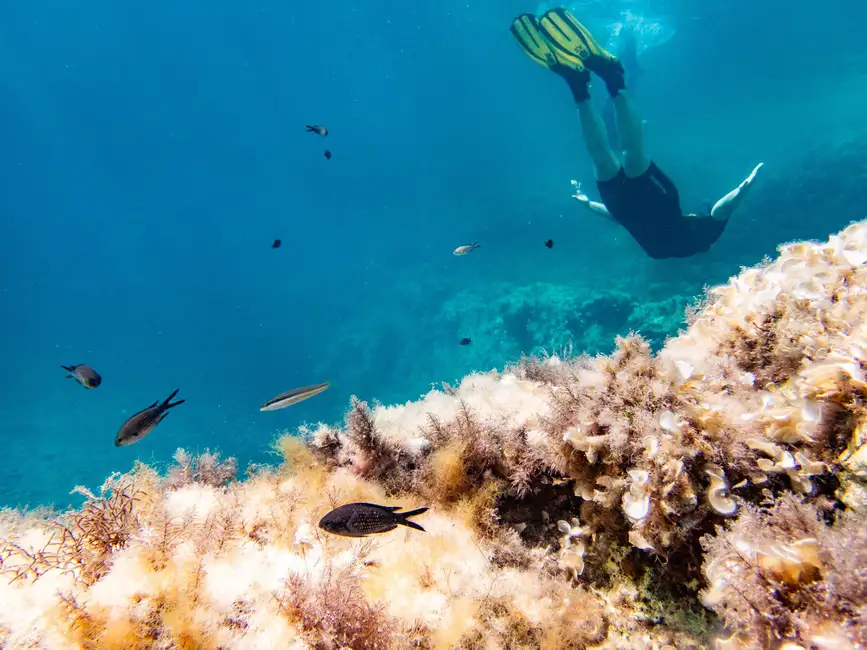
The Posidonia oceanica meadows anchoring Alcudia Bay's seabed have earned UNESCO protection as a critical Mediterranean habitat, yet most visitors walk past without recognizing the ecosystem beneath the surface. These seagrass prairies shelter juvenile fish, octopus, and the occasional green sea turtle migrating through Balearic waters—species density peaks where the meadows meet rocky outcrops near the bay's northern and southern headlands. Snorkeling in Alcudia functions on tidal subtlety rather than dramatic drop-offs. The bay floor descends gradually, reaching only 3 meters depth at 50 meters offshore along central Platja d'Alcudia, then deepening toward 6-8 meters near the Port d'Alcúdia marina breakwaters. This shallow profile means sediment suspension directly correlates with wind and boat traffic—morning sessions before 10:00 consistently deliver 8-12 meter visibility, while afternoon thermoclines and charter boat returns reduce clarity to 4-6 meters by 15:00. The northern stretches near Alcudia's medieval walls and the southern rocky zones toward Ca'n Picafort concentrate the densest marine activity, where substrate variation creates shelter for damselfish, wrasse, and foraging mullet schools. Seasonal timing governs both comfort and biodiversity. June through September brings 24-26°C surface temperatures and the highest species activity, with loggerhead turtle sightings concentrated in July when nesting routes intersect the bay. October holds residual warmth at 22°C but introduces the first poniente wind patterns that churn sediment—spring months of May and early June balance moderate 19-21°C water against reliably calm conditions and thinner beach crowds. Winter snorkeling remains technically feasible given 24-hour access, but 14-16°C February temperatures and reduced visibility from storm runoff limit practical appeal outside wetsuit commitments. Rocky zones flanking the main sand stretches require active navigation. The breakwater arms protecting Port d'Alcúdia harbor attract larger species but introduce boat traffic and current complexity—local dive shops mark these areas for guided groups rather than independent snorkelers. The preserve boundaries restricting anchoring within Posidonia meadows do not limit swimming or snorkeling access, but physical contact with seagrass beds damages regeneration cycles that span decades. Navigation here relies on visual reference rather than depth change, as the uniform seabed offers few landmarks once swimmers move beyond beach umbrella sightlines. Entry and exit points concentrate near lifeguard posts along the central 3-kilometer tourism strip, where consistent sandy bottom and gradual slope accommodate varied skill levels without hazard. The Alcudia snorkeling guide ultimately reduces to timing and position—early light, low wind, and proximity to substrate transition zones where sand meets rock or seagrass. The bay's accessibility permits experimentation across multiple sessions, letting snorkelers map personal preferences for clarity, marine density, and solitude against the unchanging variables of free access and protected habitat reach.
“Posidonia meadows shelter juvenile fish, octopus, and migrating green sea turtles where seagrass meets rocky outcrops near the bay's headlands.”
Best Time for Snorkeling Mallorca Alcudia
The optimal window for snorkeling in Alcúdia is 07:00–10:00, when conditions are calmest and visibility is highest. Arriving during these hours ensures clear water and easier parking before the daily crowds arrive.
June to August
High intensity by middayWarm water, 24–26°C, sunny skies
Early arrivals avoid peak sun and afternoon wind chop.
September and October
Moderate and decreasingWarm water, 22–24°C, mild air
These months offer quieter beaches and stable sea conditions.
Weekday mornings
Low to moderate—
The shoreline remains peaceful with minimal boat traffic and human disturbance.
Verdict: The best time for snorkeling is between 07:00–10:00 during the months of June or September.
Preparation Checklist for Snorkeling Mallorca Alcudia
Alcúdia's shallow, clear waters are ideal for snorkeling, but proper gear and timing ensure a safe and comfortable experience.
-
Pack mask, snorkel, and fins — Essential equipment for observing marine life in coastal waters.
-
Apply reef-safe sunscreen (SPF 30+) — Protects skin while preserving the marine ecosystem.
-
Bring a rash guard or wetsuit — Shields against sun exposure and provides thermal comfort in cooler water.
-
Wear water shoes or dive booties — Rocky entry points require foot protection for safe access.
-
Arrive between 07:00–10:00 — Secures parking and provides optimal water visibility before crowds arrive.
-
Check weather and sea conditions — Ensures safe swimming conditions and calm waters for snorkeling.
-
Carry drinking water and snacks — Keeps you hydrated during extended sessions on the beach.
Check availability
Frequently asked questions about snorkeling mallorca alcudia
Everything you need to know about snorkeling mallorca alcudia