
Quick answer
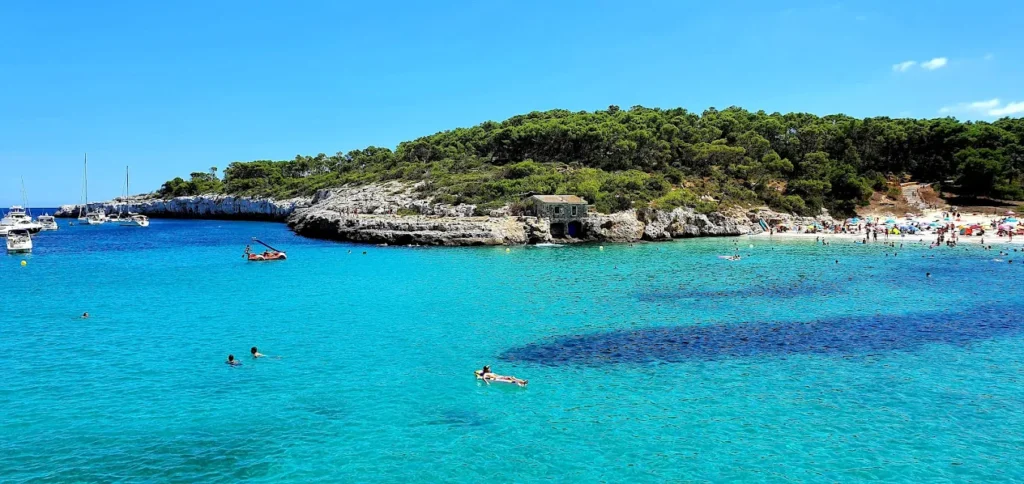
The best snorkeling in Mallorca concentrates in three protected southeastern coves: Cala Santanyi, Cala Llombards, and Cala Mondrago. All three offer free entry year-round, with optimal conditions between 08:00 and 10:30 before wind picks up and crowds arrive. Water clarity peaks from May through October, though September and early autumn bring warmer temperatures and reduced visitor numbers compared to midsummer.
Mallorca's eastern and southeastern shoreline curves into dozens of calas—small limestone coves carved by millennia of wave action—but only a handful combine shallow entry points, rocky underwater terrain, and shelter from prevailing winds. The three locations featured in this snorkeling Mallorca best spots guide share a geological advantage: they sit within or adjacent to protected marine areas where fishing restrictions have allowed sea grass meadows and fish populations to recover. Cala Santanyi occupies a narrow fjord-like inlet flanked by fifteen-meter cliffs. The cove's mouth opens southeast, which blocks northern tramuntana winds but funnels morning light onto the seabed. Visibility regularly exceeds ten meters, and the rocky left flank hosts damselfish, wrasse, and occasional octopus in crevices two to four meters down. Cala Llombards lies three kilometers southwest, recognizable by its white sand beach and twin rock formations at the water's edge. The snorkeling zone extends along the southern rocks where depth increases gradually to five meters. Posidonia seagrass beds begin at the cove's outer edge, attracting salema and bream. Cala Mondrago sits within the Mondrago Natural Park, a designation that limits coastal development and protects 785 hectares of land and sea. Two adjoining beaches—S'Amarador and Mondrago proper—offer different profiles: S'Amarador has sandier substrate and shallower water suited to beginners, while the rockier northern end of Mondrago beach provides more varied topography. Water temperature spans from 15°C in February to 27°C in August. A three-millimeter shorty wetsuit suffices from June through September; outside those months, a full suit or five-millimeter thickness keeps most swimmers comfortable for thirty-minute sessions. The Balearic Sea has minimal tidal range—typically under thirty centimeters—so depth remains consistent throughout the day. Current is negligible inside the coves, though morning offshore breezes sometimes create light surface chop by midday. Arriving within the 08:00 to 10:30 window ensures glassy conditions and avoids the tour groups that reach the southeastern coast after 11:00. Public beach access means no entrance fees apply at any of these snorkeling Mallorca best spots, and parking areas serve all three coves, though spaces fill quickly after 10:00 in July and August.
“Cala Mondrago's marine park status has turned its seabed into a living catalog of Mediterranean species, from cardinal fish darting through rock fissures to the ancient Posidonia meadows that anchor the entire ecosystem.”
Optimal Timing for Snorkeling Mallorca Best Spots
The best arrival window is 08:00–10:30, as this period avoids midday crowds while offering optimal water clarity and calm conditions for snorkeling at locations like Cala Santanyi, Cala Llombards, and Cala Mondrago.
June to August
High coastal trafficWarm water, 24°C–26°C. High visibility persists despite frequent surface activity.
September and October
Lower visitor densityMild water, 22°C–24°C. Sea conditions remain stable before autumn weather patterns emerge.
Weekday mornings
Minimal local presence—. Calm waters and light winds provide the highest clarity for observing marine life.
Verdict: For the highest quality experience, plan your visits between Tuesday and Thursday, arriving within the 08:00–10:30 window during the months of September or October.
Entrance Fees and Costs for Snorkeling Mallorca Best Spots
Access to all public beaches and snorkeling coves in Mallorca is provided at no charge. There are no entrance fees required for visitors to enjoy these coastal locations.
Top Locations: Where to Find Snorkeling Mallorca Best Spots
The southeastern coast of Mallorca offers distinct snorkeling environments characterized by rocky cliff borders and clear, sheltered waters. These locations provide accessible entry points for observing Mediterranean marine life in their natural habitats.
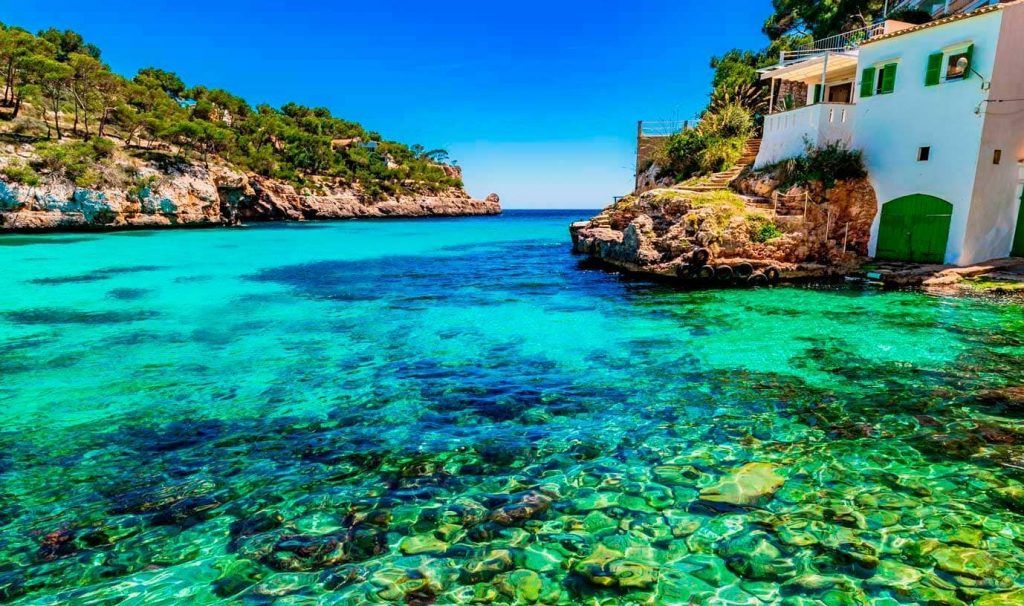
Cala Santanyi
This cove features a sandy bottom transition into rocky zones where small schools of sea bream are frequently observed. The depth increases gradually, allowing for clear observation of coastal rock formations.
Swim along the left cliff side for deeper water visibility.
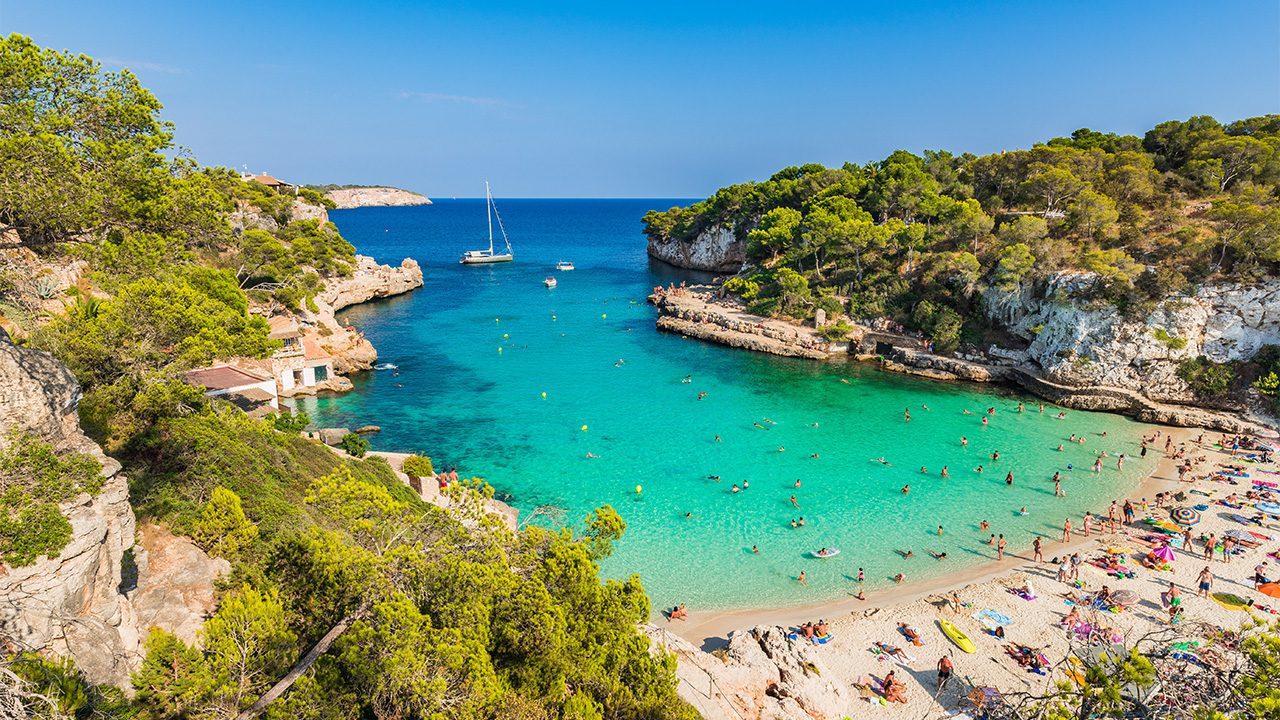
Cala Llombards
Known for its narrow, fjord-like shape, the bay maintains calm water conditions protected by high limestone cliffs. Snorkelers can explore the crevices along the base of the rocks where octopus and various wrasse species reside.
Observe the rock crevices near the cliff base carefully.
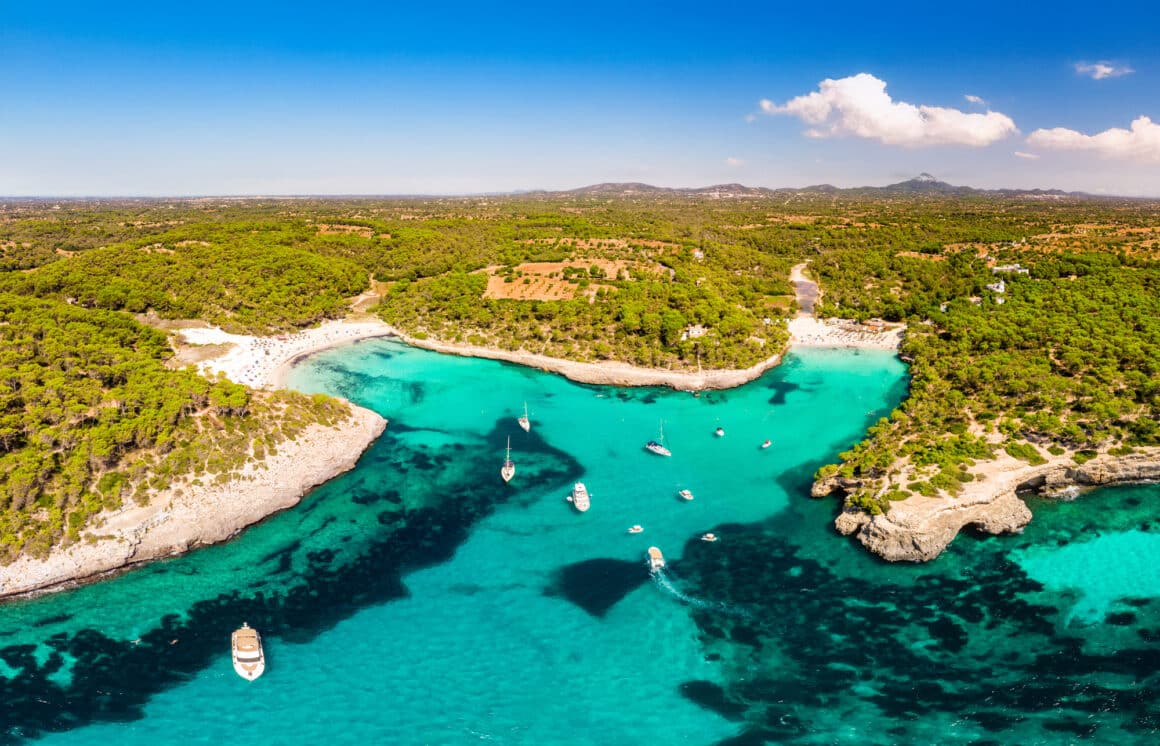
Cala Mondrago
Part of a protected natural park, this area offers extensive seagrass meadows and sandy patches home to diverse aquatic life. The bay remains relatively shallow and provides expansive views of the seabed.
Explore the seagrass meadows near the center of the bay.
Preparation Checklist for Snorkeling Mallorca Best Spots
Pack the right gear and plan ahead to make the most of Mallorca's snorkeling spots.
-
Bring a well-fitting mask and snorkel — Prevents leaks and ensures clear underwater vision in rocky coves.
-
Pack fins for easier swimming — Helps navigate currents and cover more distance between spots like Cala Mondrago.
-
Apply reef-safe sunscreen before arrival — Protects skin during extended water time without harming marine ecosystems.
-
Carry a rash guard or wetsuit — Shields against sun exposure and provides thermal protection in cooler months.
-
Pack a waterproof bag for valuables — Keeps phones, keys, and documents dry while you explore the water.
-
Bring drinking water and snacks — Public beaches have limited facilities, so stay hydrated between snorkeling sessions.
Check availability
Common questions about snorkeling Mallorca best spots
Everything you need to know about snorkeling mallorca best spots