
Quick answer
The best snorkeling in Mallorca map centers on the island's southeast and northeast coasts, where protected coves like Cala Santanyí, Cala Varques, and Cala Torta offer consistent visibility between 15 and 25 meters. These sites remain accessible year-round with free entry, though summer weekends see significantly higher visitor numbers. The clearest conditions occur during morning hours when wind and boat traffic remain minimal.
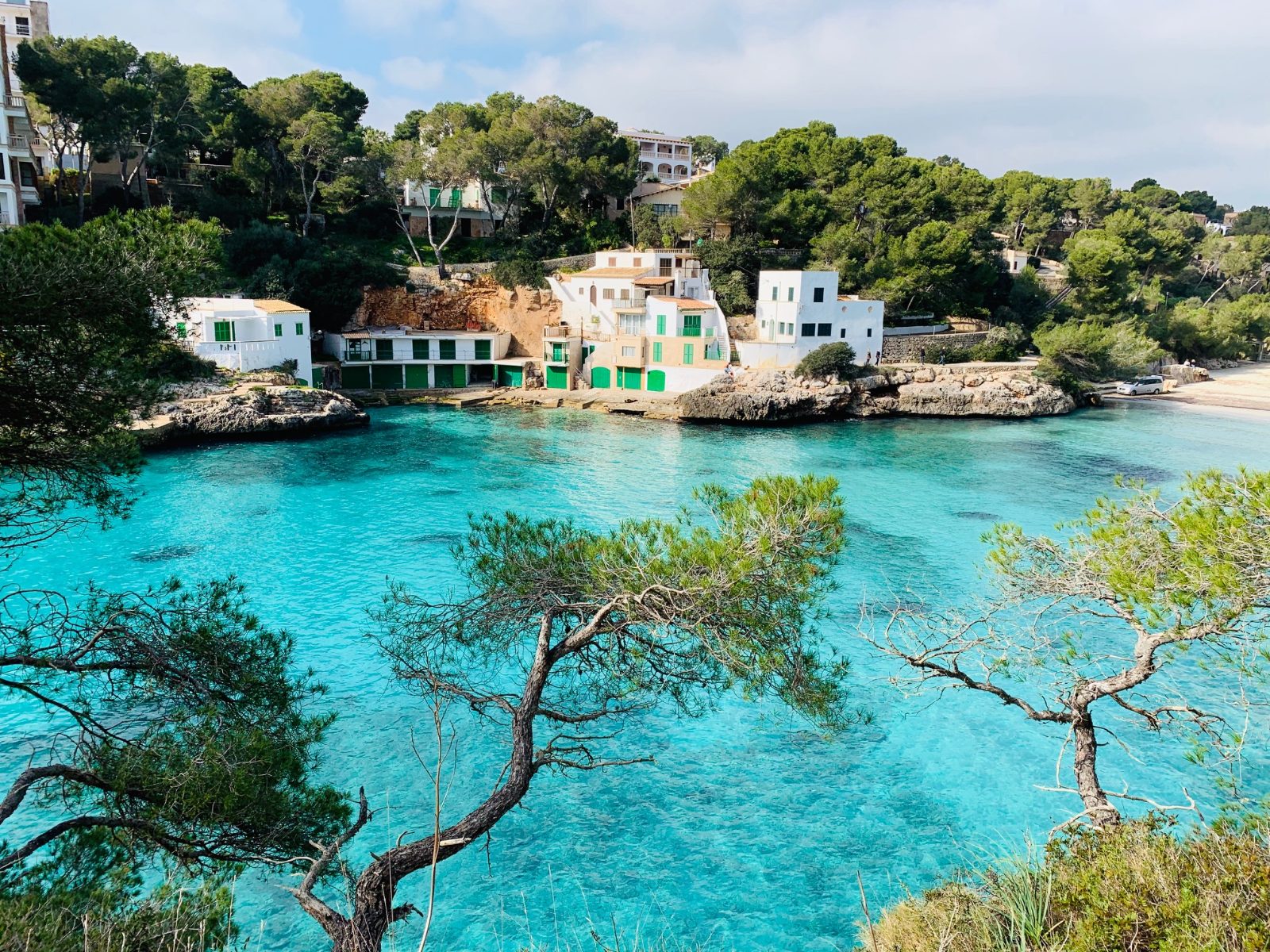
Mallorca's underwater landscape divides into three distinct zones. The western coast exposes snorkelers to open Mediterranean swells and limited visibility, rarely exceeding eight meters even on calm days. The southern shore offers sheltered bays with moderate clarity but faces persistent boat traffic from commercial harbors. The eastern coastline delivers the island's premier conditions: limestone coves create natural windbreaks, Posidonia seagrass meadows stabilize sediment, and rocky reefs host damselfish, octopus, and occasional grouper. Cala Santanyí anchors the southeast cluster. The cove's narrow entrance restricts wave action while its 40-meter width prevents overcrowding even during peak season. Snorkelers enter from a small beach at the cove's head, then follow the southern wall where depth gradually increases from two to six meters. Crevices in the rock face shelter moray eels and painted comber, while the sandy patches between boulders reveal razor clams and hermit crabs. The site requires no special permits and remains accessible every day of the year. Farther north, Cala Varques attracts fewer visitors due to its 30-minute walking approach from the nearest parking area. The effort filters out casual beachgoers, leaving the water relatively undisturbed. The cove's western edge features a submerged rock formation extending 60 meters offshore, creating a natural circuit for snorkelers. Visibility here regularly reaches 20 meters when winds stay below 15 kilometers per hour. The site sits within a protected area, prohibiting fishing and anchoring, which has allowed fish populations to recover noticeably since 2019. The northeast coast presents a different character. Cala Torta and Cala Mesquida open to deeper water, meaning larger species occasionally pass through—barracuda, bonito, even the rare sunfish during late summer. These sites demand stronger swimming ability and awareness of currents, particularly during afternoon onshore winds. The reward comes in the form of dramatic underwater topography: submerged caves, boulder gardens, and steep drop-offs that descend beyond recreational snorkeling range. Mallorca snorkeling spots spread across 40 kilometers of coastline, making a physical map essential for route planning. Many coves lack road access, requiring either coastal hiking or boat transport. Cell coverage remains unreliable along remote stretches, so downloading offline maps before departure prevents navigation errors. Water temperature varies seasonally from 14°C in February to 26°C in August, influencing both comfort and marine activity patterns.
“Limestone coves on Mallorca's eastern shore create natural windbreaks that deliver visibility exceeding 20 meters on calm mornings.”
Best Time for Snorkeling in Mallorca Map Planning
The optimal window for snorkeling in Mallorca is between 08:00 and 11:00. Arriving during this period ensures the clearest water visibility and helps avoid the congestion common at popular sites later in the day.
May to June
Low to moderateWarm, 20°C–25°C water
The sea remains calm and temperatures are comfortable before the peak summer surge.
July to August
Very highHot, 25°C–27°C water
High demand leads to crowded coves; early arrival is essential for clear visibility.
September to October
ModerateWarm, 23°C–26°C water
Water temperatures remain high while visitor numbers decline, offering better conditions for exploration.
Weekday mornings
Minimal—
Visiting on weekdays between 08:00 and 11:00 provides the best conditions for calm water and private access.
Verdict: For the best experience, plan your arrival between 08:00 and 11:00 during the months of May, June, or September.
Entrance Fees for Best Snorkeling in Mallorca Map Locations
Access to public beaches and natural coves identified on the snorkeling map is provided at no cost. There are no official admission fees for entry to these coastal locations.
Checklist for Your Best Snorkeling in Mallorca Map Adventure
Snorkeling Mallorca's protected coves requires minimal preparation but specific gear and awareness of marine conservation rules.
-
Pack mask, snorkel, and fins — Rental options exist but personal equipment ensures proper fit and hygiene.
-
Bring reef-safe sunscreen only — Chemical sunscreens damage Mallorca's protected Posidonia seagrass meadows.
-
Wear water shoes or dive booties — Rocky entries at Cala Santanyí and similar coves require foot protection.
-
Carry a waterproof bag for valuables — Most natural coves lack facilities or secure storage.
-
Check weather and sea conditions beforehand — Wind shifts can reduce visibility and create unsafe currents quickly.
-
Download offline maps of snorkel sites — Mobile coverage is unreliable in remote coastal areas.
Check availability
Frequently asked questions about best snorkeling in mallorca map
Everything you need to know about best snorkeling in mallorca map